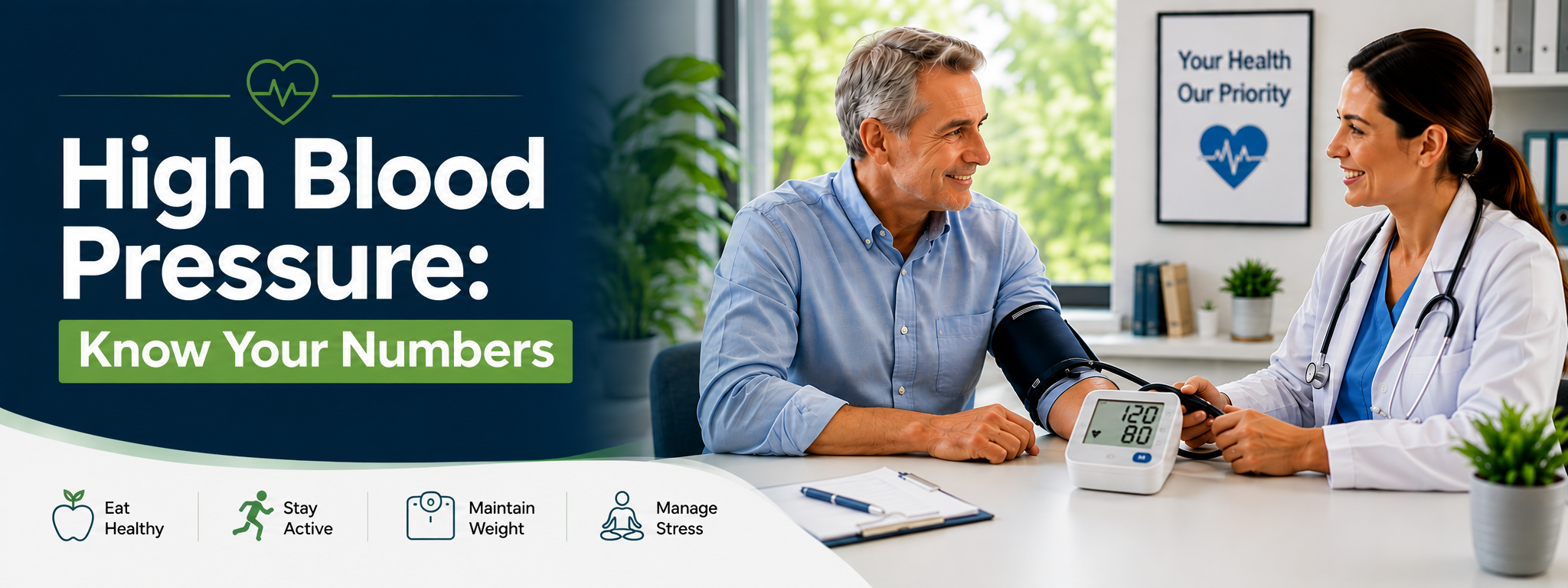
High Blood Pressure: Know Your Numbers
High blood pressure — also called hypertension — affects nearly half of all American adults. Often called “the silent killer,” it typically has no obvious symptoms but quietly increases your risk for heart attack, stroke, kidney disease, and vision loss. The good news: it’s manageable, and your primary care provider is your best partner in getting it under control.
What Do Those Numbers Mean?
Blood pressure is measured in two numbers. The top number (systolic) measures pressure when your heart beats. The bottom number (diastolic) measures pressure when your heart rests between beats. A normal reading is less than 120/80 mmHg. Elevated blood pressure is 120-129 systolic. Stage 1 hypertension is 130-139 / 80-89, and Stage 2 is 140+ / 90+.
What Causes High Blood Pressure?
For most people, there is no single identifiable cause — this is called primary (essential) hypertension. Contributing factors include a diet high in sodium, excess weight, physical inactivity, chronic stress, smoking, heavy alcohol use, and a family history of hypertension. Less commonly, high blood pressure is caused by an underlying condition like kidney disease or a thyroid disorder — this is called secondary hypertension.
Symptoms to Watch For
Most people with high blood pressure feel completely normal, which is why regular monitoring is so important. In rare cases of severely elevated blood pressure, symptoms may include severe headache, vision changes, chest pain, difficulty breathing, or nosebleeds. If you experience these, seek care right away.
How Is It Treated?
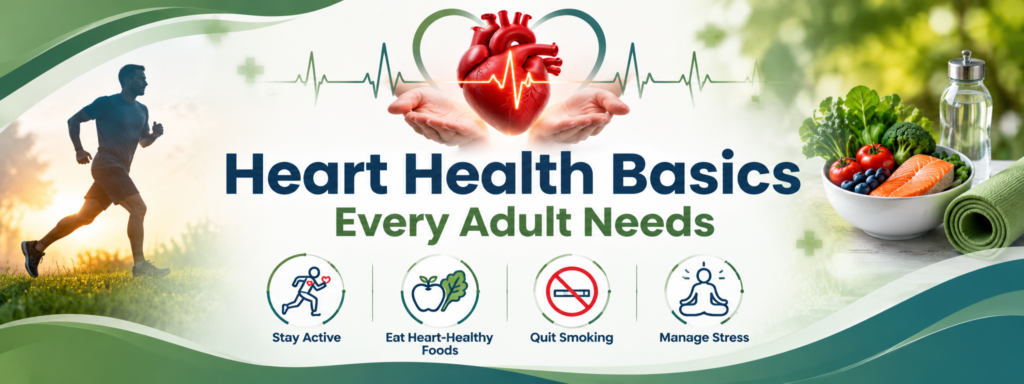
Treatment depends on how high your numbers are and your overall health profile. Lifestyle changes are always the first line of defense: reducing sodium intake, exercising regularly, maintaining a healthy weight, limiting alcohol, and quitting smoking can all significantly lower blood pressure. When lifestyle changes aren’t enough, your doctor may prescribe medication. Common options include ACE inhibitors, beta-blockers, diuretics, and calcium channel blockers.
Monitoring at Home
Home blood pressure monitoring is an excellent way to track your progress between appointments. Take readings at the same time each day, avoid caffeine and exercise for 30 minutes prior, and log your results to share at your next visit.
Frequently Asked Questions
Can I have high blood pressure without any symptoms?
Yes — the vast majority of people with hypertension have no symptoms at all, which is exactly why it’s called ‘the silent killer.’ Regular blood pressure checks at your annual wellness visit or routine appointments are the only reliable way to know your numbers.
Is high blood pressure curable?
For most people, hypertension is manageable rather than curable. With consistent lifestyle changes and medication when needed, many patients achieve excellent blood pressure control and dramatically reduce their risk of heart attack, stroke, and kidney disease.
What foods should I avoid with high blood pressure?
Limit foods high in sodium (processed foods, canned soups, deli meats), saturated fats, and alcohol. The DASH diet — rich in fruits, vegetables, whole grains, lean protein, and low-fat dairy — is the most evidence-backed eating plan for lowering blood pressure naturally.
Further Reading
Trusted external resources on preventive care.
Share this post: