
Heart Health Basics Every Adult Needs
Heart disease remains the number one cause of death in the United States. But it is also one of the most preventable chronic conditions when risk factors are identified and managed early. Your primary care physician plays a central role in protecting your heart.
Know Your Risk Factors
The major modifiable risk factors for heart disease include high blood pressure, high cholesterol, type 2 diabetes, smoking, obesity, physical inactivity, and a diet high in sodium and saturated fat. Non-modifiable risk factors include age, family history of early heart disease, and sex. The more risk factors you have, the more important active monitoring becomes.
Key Numbers to Know
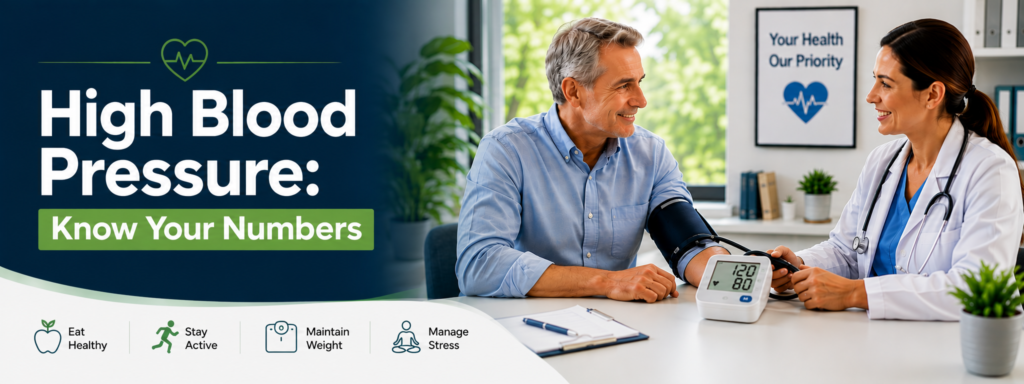
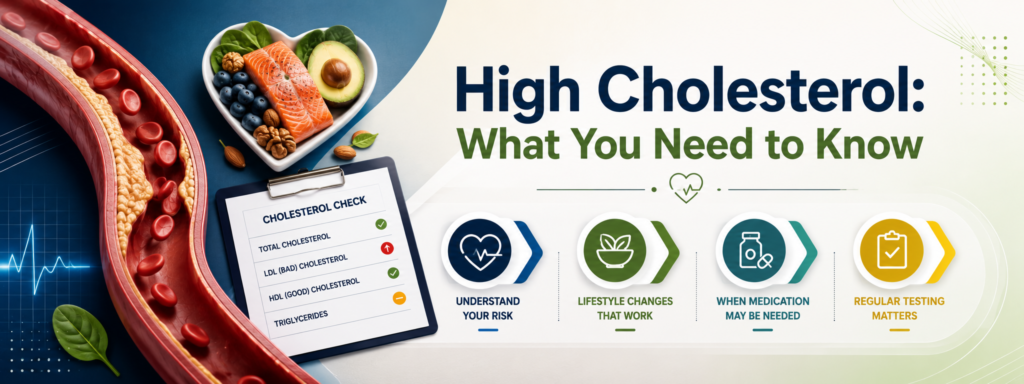
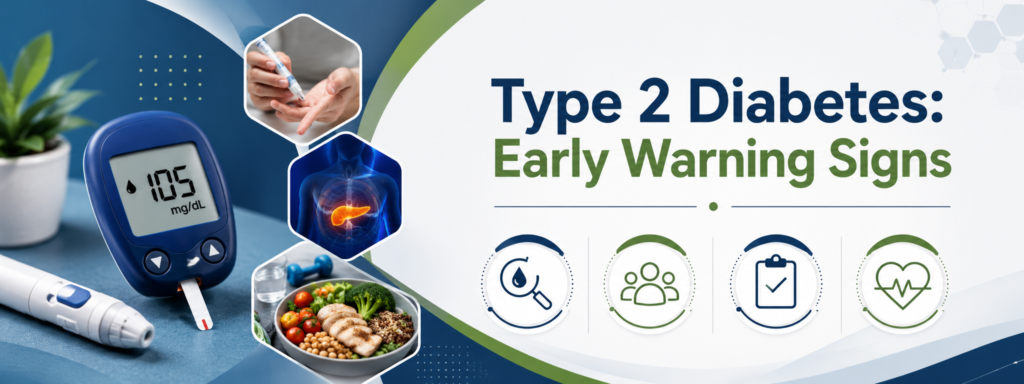
Blood pressure: aim for less than 120/80 mmHg. LDL cholesterol: generally below 100 mg/dL for most adults. Fasting blood sugar: below 100 mg/dL. BMI: 18.5-24.9 is considered healthy. Know your numbers — and what they mean for your individual risk profile.
Warning Signs That Require Immediate Attention
Chest pain, pressure, or tightness; pain radiating to the arm, jaw, neck, or back; shortness of breath at rest; sudden dizziness; unexplained sweating; or a feeling of impending doom are all potential signs of a cardiac emergency. Call 911 immediately — do not drive yourself to the hospital.
What Your Primary Care Provider Monitors
At Gilbert Center for Family Medicine, heart health monitoring includes blood pressure checks at every visit, annual lipid panels and blood sugar testing, EKG testing available on-site, peripheral vascular disease testing (ABI), referrals to cardiology when indicated, and medication management.
Heart-Healthy Habits That Work
Aim for 150 minutes of moderate aerobic activity per week. Follow a diet rich in fruits, vegetables, whole grains, lean protein, and healthy fats. Quit smoking — the single most impactful change for heart health. Limit alcohol, manage stress, and get 7-9 hours of sleep per night.
Frequently Asked Questions
At what age should I start worrying about heart health?
Heart disease develops over decades — the habits and conditions you have in your 20s and 30s directly shape your cardiovascular risk later in life. Cholesterol screening should begin at age 20, and blood pressure should be checked at every routine visit from adulthood onward. Starting heart-healthy habits early is far more effective than trying to reverse damage later.
What does an EKG test and why would my doctor order one?
An EKG (electrocardiogram) records the electrical activity of your heart and can detect irregular heart rhythms (arrhythmias), signs of a previous heart attack, thickening of the heart muscle, and other structural concerns. It’s a quick, painless test available on-site at Gilbert Center for Family Medicine and may be ordered as a baseline or in response to symptoms like chest pain, palpitations, or shortness of breath.
Is a family history of heart disease a death sentence?
Not at all — but it does mean you need to be more proactive. A family history of early heart disease (a first-degree relative with heart disease before age 55 in men or 65 in women) increases your risk, but most of that risk can be meaningfully reduced through blood pressure control, cholesterol management, not smoking, regular exercise, and a heart-healthy diet. Talk to your provider about what your family history means for your specific screening schedule.
Further Reading
Trusted external resources on preventive care.
Share this post: